
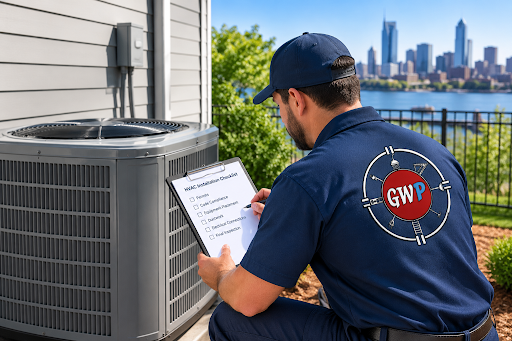
How Building Codes Affect HVAC Installation in Camden, NJ
Greater Works Plumbing has the insight you need to understand how building codes affect HVAC installation in Camden, NJ. Installing a heating and cooling system involves more than just choosing the right equipment for your home. Understanding the building code for HVAC systems helps you plan your project, manage costs, and avoid delays.
Whether you’re replacing an aging furnace, installing central air conditioning, or upgrading your heating system, knowing what to do makes the process easier. Keep reading to learn more about the key information you need to know.
Key Takeaways
- HVAC regulations support safe equipment installation, proper ventilation, and reliable operation.
- Certain HVAC projects require approval from the local construction office before work begins.
- Required inspections help confirm that installations meet safety and construction standards.
- Energy codes affect equipment choices, insulation, ductwork, and system performance.
Why HVAC Building Codes Matter
Building codes establish minimum standards for installing and operating HVAC equipment. New Jersey adopts statewide construction requirements, including mechanical and energy-related provisions, while local officials administer permits and inspections. Here’s what they ensure:
- Safe Equipment Placement — Installers must follow rules for clearances, combustion air, and access to equipment. These measures help reduce safety risks and allow technicians to service the system.
- Proper Ventilation — Heating equipment and ventilation systems must meet airflow and exhaust requirements. Correct ventilation improves indoor air quality and helps combustion appliances operate safely.
- Reliable Performance — Proper sizing and installation help your HVAC equipment heat and cool your home as intended. Compliance with standards also supports energy efficiency.
Understanding HVAC Installation Requirements in NJ
The New Jersey Uniform Construction Code establishes requirements that affect equipment selection, installation methods, ductwork, electrical connections, and ventilation. The type of system, the building, and the scope of work determine the rules that apply. They cover the following:
- Mechanical Code Standards — The New Jersey mechanical code addresses areas such as equipment installation, exhaust, and ventilation.
- Energy Efficiency Rules — Energy codes set minimum performance standards and requirements for system components.
- Electrical and Fuel Connections — HVAC equipment may require compliant electrical circuits, wiring, gas connections, or condensate drainage.
Camden NJ HVAC Permits and Inspections
Many HVAC installations and major replacements in Camden, NJ, need permits. Homeowners should contact their local construction office before starting a project to confirm the necessary permits, inspections, and approvals. Here’s an overview of what you need to know:
| Step | What Homeowners Need to Know |
| Confirm Permit Requirements | Check whether your HVAC project requires mechanical, electrical, or other construction permits. Requirements vary between minor repairs, major replacements, and new installations. |
| Prepare for Inspections | HVAC inspections typically examine equipment placement, ventilation, electrical connections, and other installation details to verify building code compliance. |
| Complete Approvals | Correct any issues identified during inspections and obtain all necessary approvals. Keep documentation for future repairs, renovations, or home sales. |
How Code Compliance Benefits Your Home
Following HVAC code compliance requirements supports safer operation, better comfort, and dependable system performance. Here’s how a proper system installation also helps homeowners manage energy use and maintenance needs:
- Better Indoor Comfort – Correct system sizing and airflow help distribute heated or cooled air throughout your home, reducing uneven temperatures between rooms.
- Long-term Value – A documented, code-compliant installation provides useful records for future maintenance and home improvements. Buyers also appreciate clear permit and inspection documentation
- Fewer Installation Surprises – Reviewing code requirements before work begins helps identify potential challenges early. This allows homeowners and contractors to plan equipment placement, access, and project costs more accurately.
FAQs About How Building Codes Affect HVAC Installation
Do I need a permit to replace my HVAC system in Camden, NJ?
Most HVAC replacements require a mechanical permit in New Jersey. Contact the City of Camden Building Bureau to confirm the requirements for your project before work begins.
What is the NJ mechanical code?
The New Jersey mechanical code establishes requirements for mechanical systems, including many aspects of HVAC installation, ventilation, and exhaust. The project’s approval date and scope will determine the edition and rules.
Who checks HVAC installation code compliance?
Construction officials or authorized inspectors review covered work according to local requirements. Our skilled team at Greater Works Plumbing will help coordinate required inspections.
Plan Your HVAC Installation With Confidence
If you want to learn more about how building codes affect HVAC installation in Camden, NJ, Greater Works Plumbing is here to help. Understanding permits, mechanical standards, energy requirements, and inspections makes installation planning smoother and helps protect your investment.
Greater Works Plumbing has provided professional plumbing, heating, and drain services since 2015, with a focus on skilled workmanship, transparent service, and lasting solutions. If you’re planning an HVAC upgrade or need help with your home’s heating system, contact us today to request a free estimate.